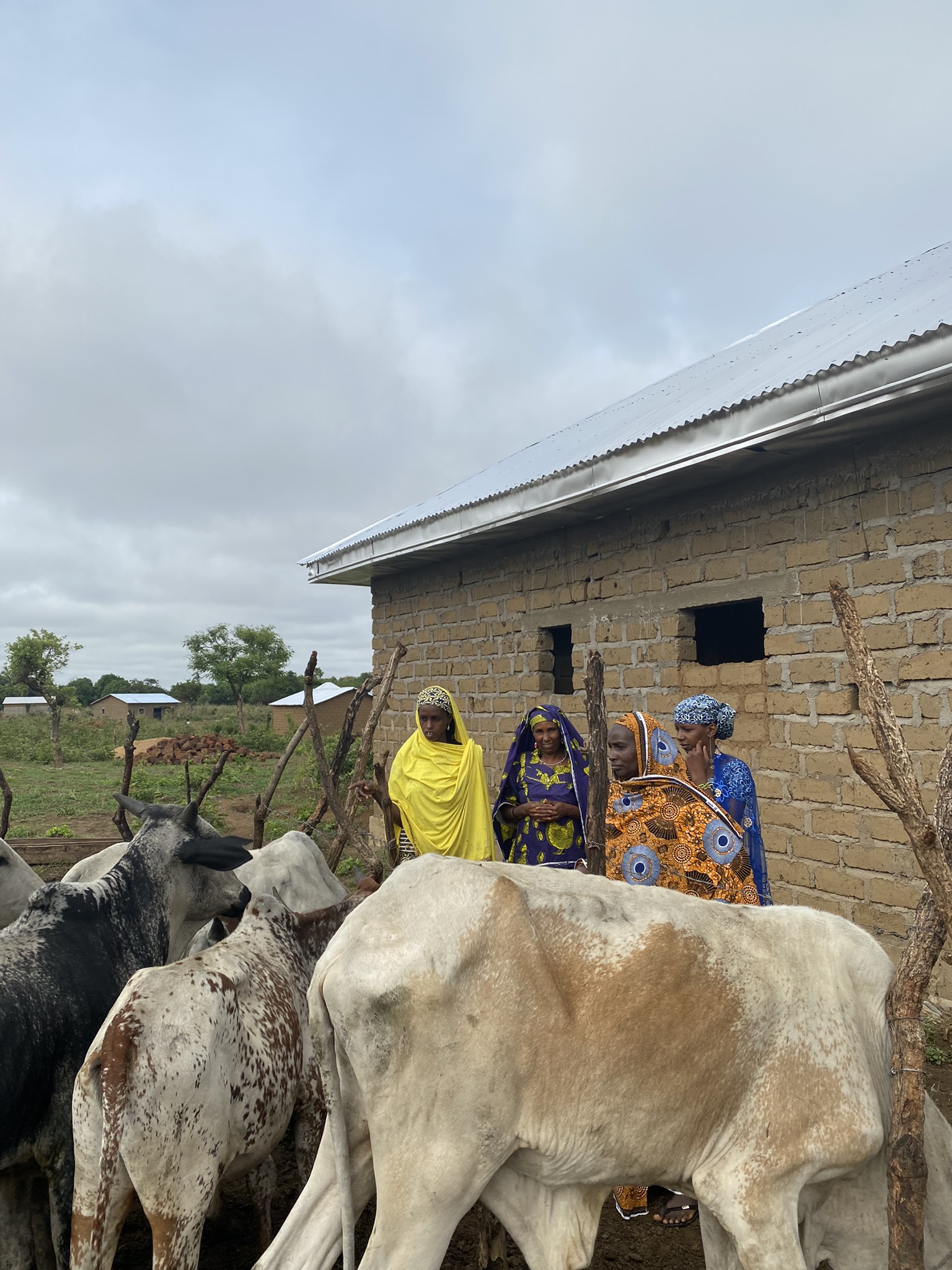
Gender and Climate Change Adaptation of Grassroots Communities in the East and Adamaoua Regions
Year of Implementation: 2020
Financial Partner: International Fund for Agricultural Development (IFAD)
Areas of Intervention: East and Adamaoua Regions, with a focus on the locality of Didango
Themes: Gender, climate change, community adaptation, livelihoods
This project aimed to strengthen the resilience of grassroots communities in the face of climate change, while placing gender equality and women’s empowerment at the heart of adaptation strategies. Implemented by AIWO-CAN with the support of IFAD, it targeted rural communities confronted with the degradation of natural resources, water insecurity and increased economic vulnerability among women and youth.
The project’s approach combined climate adaptation solutions, access to essential services and economic empowerment, in order to respond in an integrated manner to the impacts of climate change on households.
The main actions implemented include:
Promotion of sustainable domestic energy through the introduction of energy-saving cooking bags, significantly reducing firewood consumption, cooking time and women’s exposure to domestic smoke.
Improvement of access to clean water through the construction of a borehole equipped with a solar pump, strengthening water security and reducing the workload of women and girls.
Support for livelihoods through the development of income-generating activities (IGAs) and the provision of microcredit, fostering household economic autonomy and adaptive capacity.
The project directly benefited approximately 200 women and girls, strengthening their economic and social roles, and indirectly benefited 300 men and young boys, contributing to an inclusive community dynamic.
Through these interventions, targeted communities improved their access to clean water, reduced pressure on forest resources related to fuelwood, and strengthened their resilience to climate shocks. The project also fostered greater recognition of the role of women and youth in local adaptation strategies, thereby consolidating the foundations of sustainable and equitable community development.