- About Us
- Our Work
- Resources
- Get Involved Contact us
Soutenu par le Pawanka Fund et mis en œuvre par AIWO-CAN, ce projet vise à valoriser les savoirs traditionnels des communautés autochtones pour renforcer leur adaptation aux changements climatiques, améliorer la résilience énergétique des ménages et promouvoir des pratiques d’élevage durable, avec un accent particulier sur les femmes.
This project aimed to strengthen Indigenous-led climate change adaptation by revitalizing traditional pastoral knowledge and practices among Mbororo pastoralist communities in the West Region of Cameroon. Faced with increasing climate variability, prolonged dry seasons, water scarcity, pasture degradation, and pressure on forest resources, these communities—particularly women—are disproportionately affected by environmental and socio-economic vulnerabilities.
From 2023 to 2024, the African Indigenous Women Organization – Central African Network (AIWO-CAN) implemented a series of targeted awareness and engagement activities under the Global Environment Facility (GEF) 7 Congo Basin Impact Program in Cameroon. The initiative aimed to strengthen integrated forest landscape management, promoting the sustainable use of natural resources while safeguarding the rights and livelihoods of Indigenous Peoples and Local Communities (PACLs) surrounding Campo Ma’an National Park.
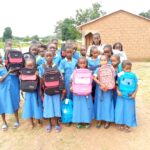
This project aimed to address the structural drivers of gender-based violence (GBV) in Indigenous communities by promoting women’s economic empowerment and advocating for girls’ education as key prevention strategies. It targeted Indigenous women and girls in five communities across the East and Adamawa Regions, where poverty, harmful social norms, low school enrollment of girls, and limited access to economic opportunities increase vulnerability to violence and exclusion.
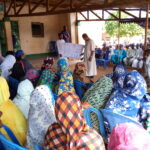
Ce projet visait à améliorer l’accès à des services sociaux essentiels de qualité, en particulier l’éducation et la santé, au profit des populations de la localité de Gouache, à Bafoussam. Il s’inscrit dans l’approche d’AIWO-CAN en faveur du développement communautaire inclusif, de la dignité humaine et du renforcement du bien-être des populations vulnérables.