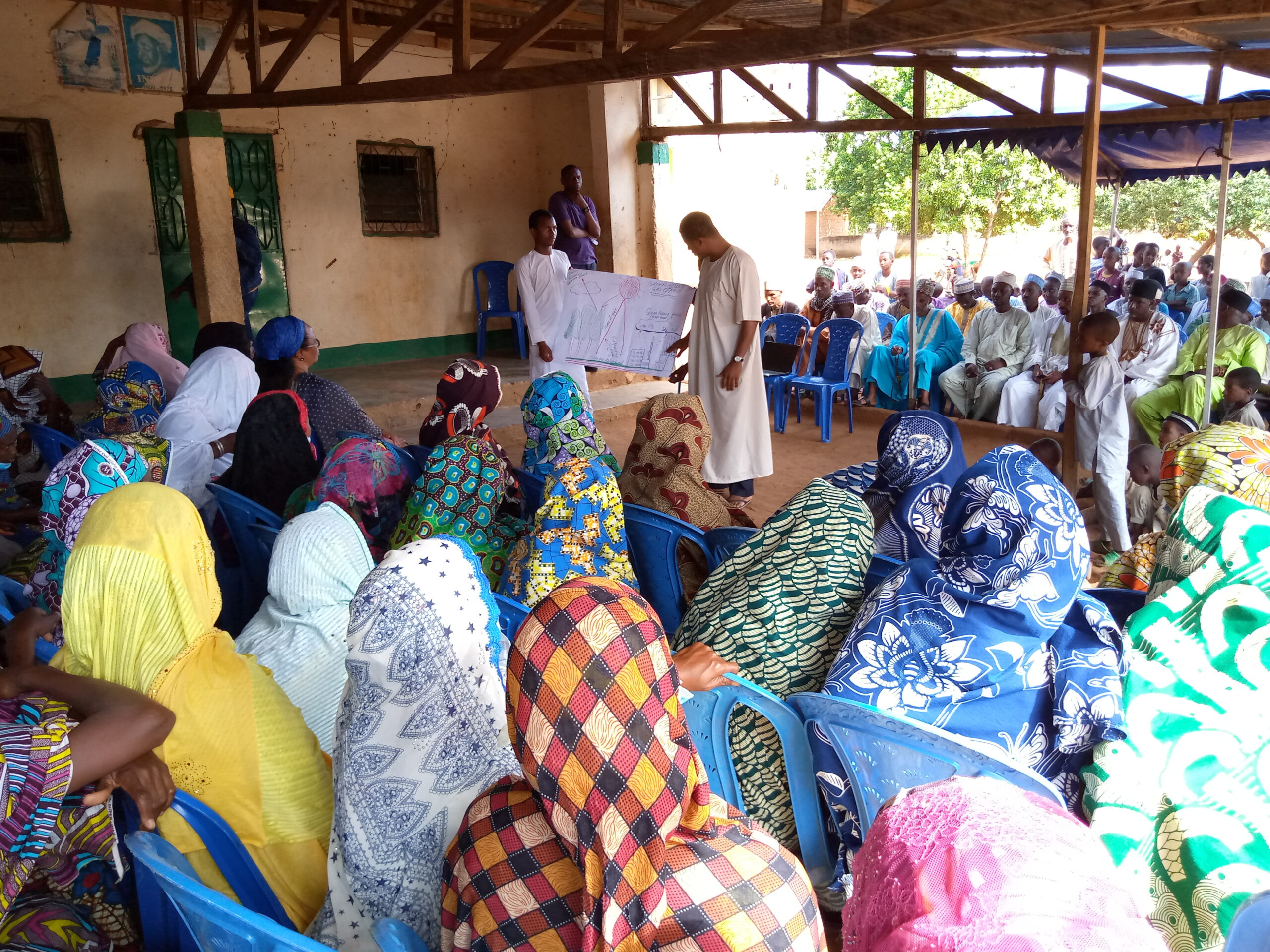
Defending the rights of Indigenous women and girls in line with UNDRIP and the African Charter on Human and Peoples’ Rights, addressing inequality, discrimination, and systemic exclusion.
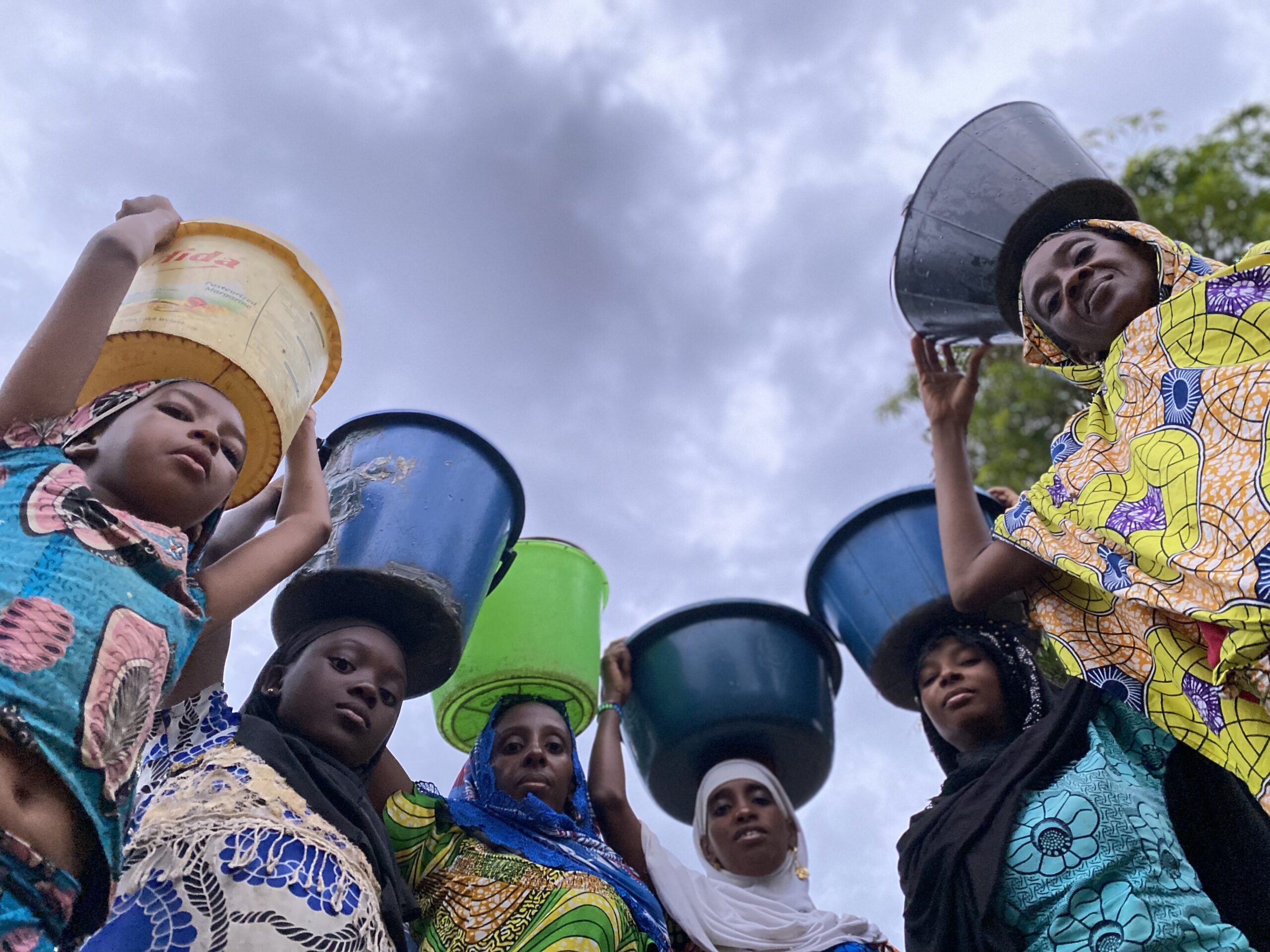
The first African Indigenous Women's Conference was held in Agadir (Morocco, April 20-24, 1998). For the first time, indigenous women, from all over Africa had the opportunity to meet and exchange their experiences on the protection and promotion of human rights and especially women's rights.
One of the key outcomes of this conference was the commitment of the participants to work towards strengthening the protection of the Rights of Indigenous Women/Girls through the creation of an African Indigenous Women Organization(AIWO). AIWO is a continental-wide Non-governemental Organization (NGO) whose menbers are composed of African Indigenous Women NGOs, Community Based Organizations (CBO) and other grassroot organizations and work towards the promotion of indigenous peoples rights and culture which cover their social, economic and political empowerment in Africa.
Later the Organization was decentralized into the five Regions of Africa which saw the creation of the African Indigenous Women Organization Central African Network (AIWO-CAN) in february 2005 in Yaoundé-Cameroon and works to defend socioeconomic and political rights of indigenous and Local women in Central Africa (Burundi, Cameroon, Cape Verde, Chad, Central Africa Republic, Democratic Republic of Congo, Equatorial Guinea, Gabon, Republic of Congo).
Central Africa sub-region is characterized by abundance of natural resources present in the soil (Wood, agriculture potential and subsoil (oil, metals, mining products, etc.). However, its economies remain quite vulnerable as the countries are generally exposed to international price shocks due to their production structures and their poorly diversified exports. This vulnerability factors have an impact on the economic and social condition of its citizens, and indigenous people in particular.
Since its creation 20 years ago, AIWO-CAN is making a remarkable impact in the live of indigenous women and girls in local communities of the Sub-region. Actions have been undertaken at community, institutional and organizational levels by AIWO-CAN for the advancement of the conditions of Indigenous women and Girls in Central Africa. Trainings and seminars for capacity development, advocacy for participation of women in politics and elections, lobbying at national and international levels for the awareness of the indigenous and local community problems among others. AIWO-CAN is now a well established and recognized platform in education and protection of indigenous women and girls through social and economic empowerment, civil and political awareness and environmental management.
Defending the rights of Indigenous women and girls in line with UNDRIP and the African Charter on Human and Peoples’ Rights, addressing inequality, discrimination, and systemic exclusion.
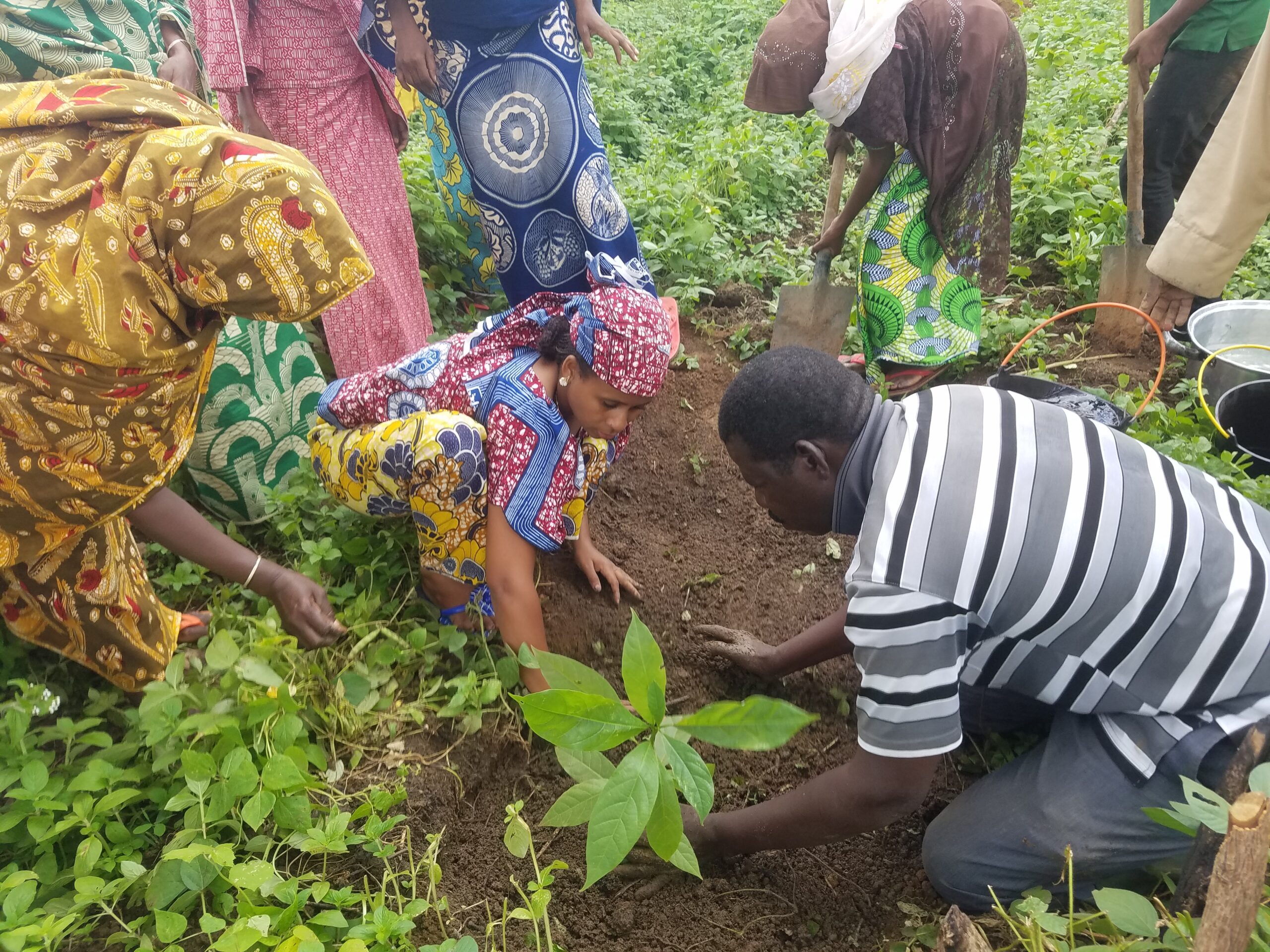
Recognizing Indigenous women as agents of change through inclusive, participatory approaches that foster local ownership and sustainability.
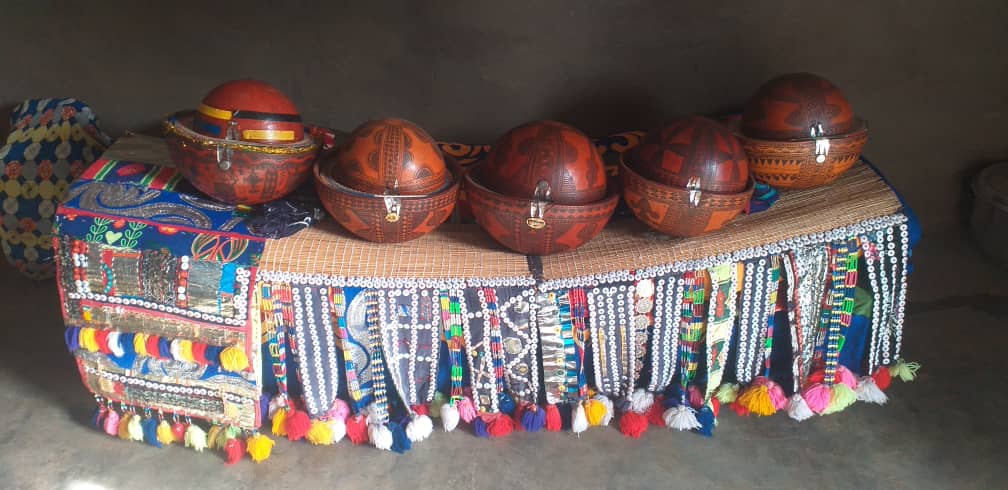
Promoting the recognition and integration of Indigenous traditional knowledge into development practices, environmental governance, and public policy.
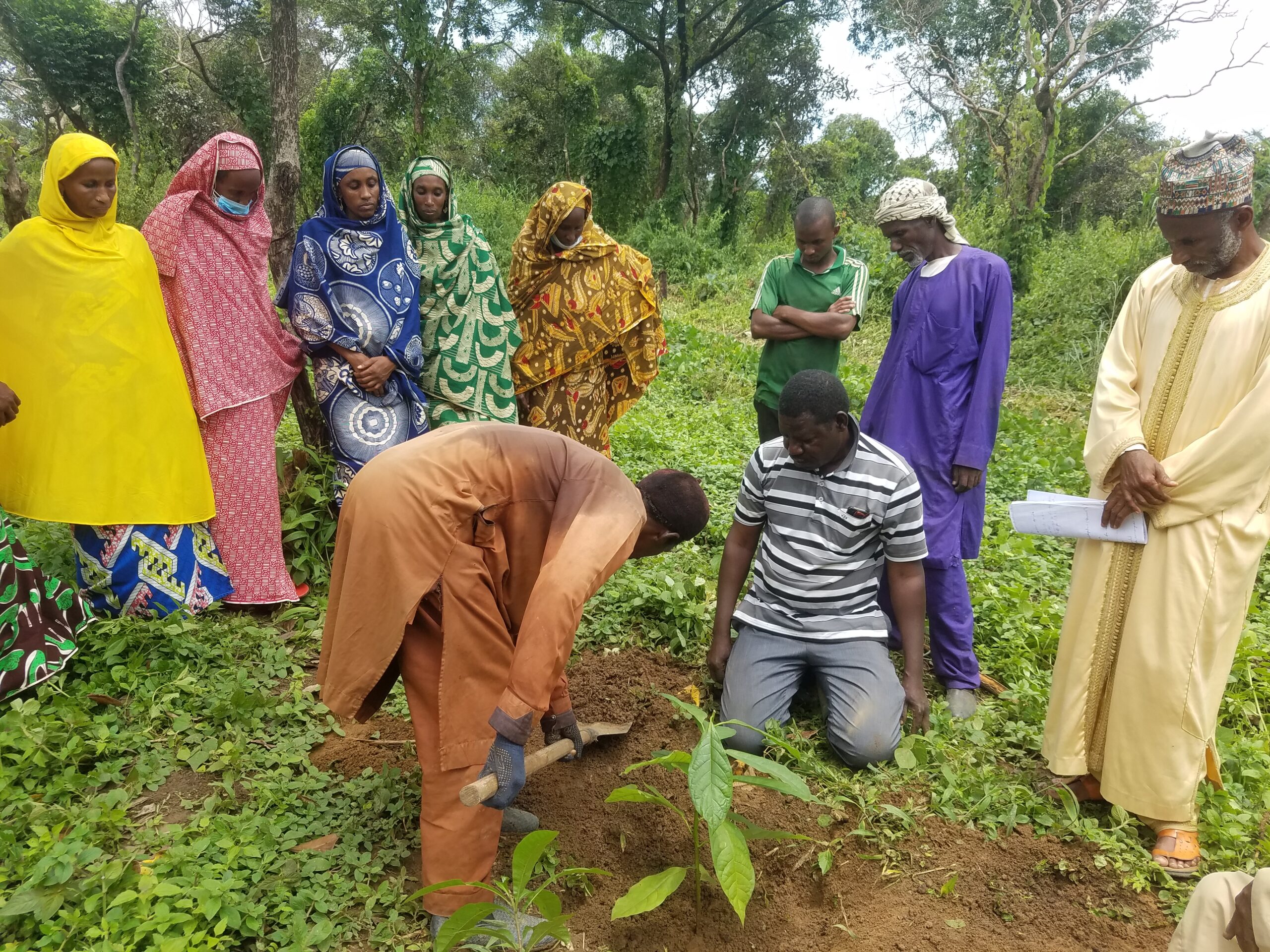
Building respectful, strategic partnerships with communities, civil society, public institutions, and international partners to co-create solutions.
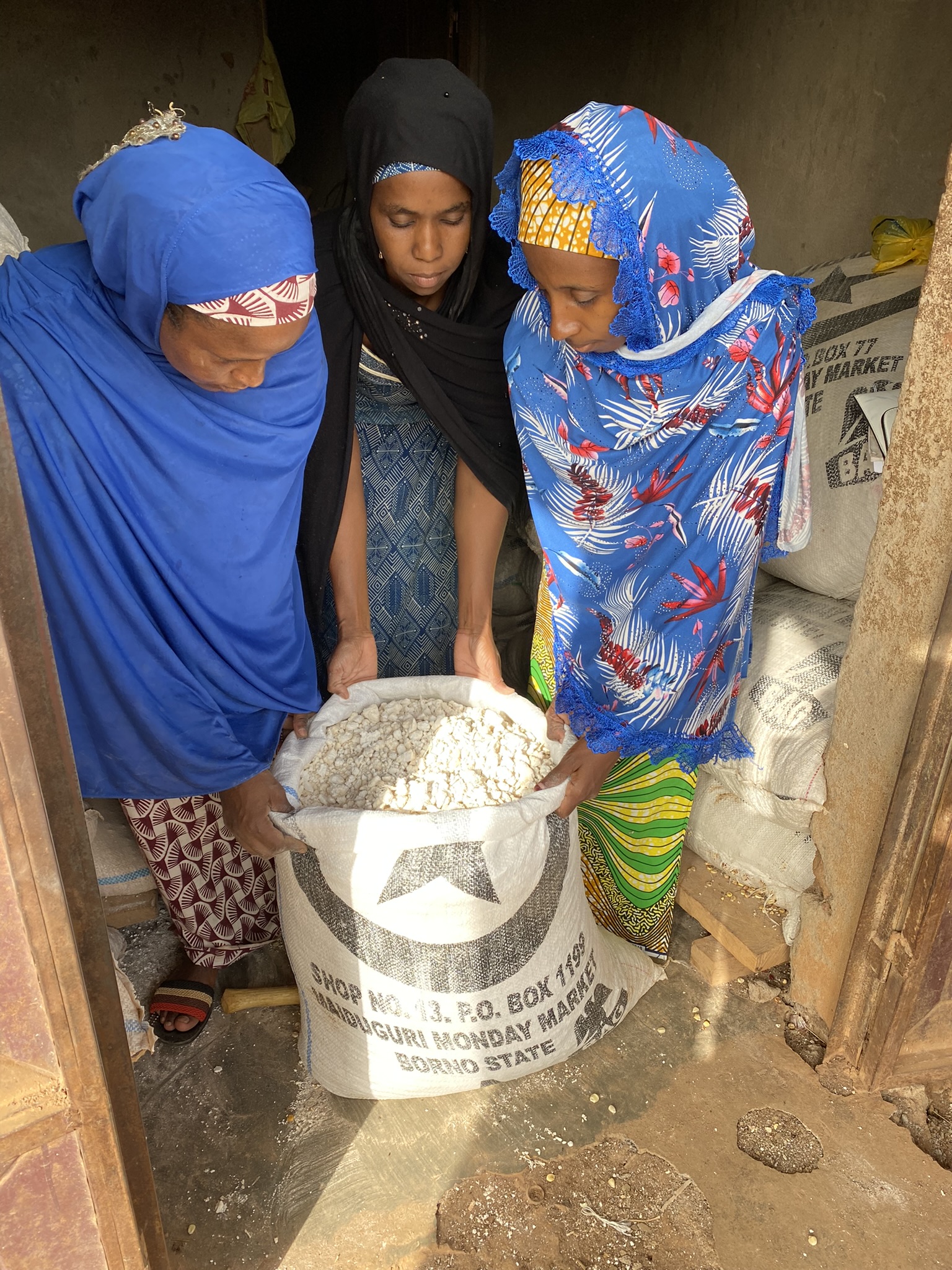
Delivering results-oriented, evidence-based programming that ensures tangible, measurable, and sustainable impact for Indigenous women and their communities.
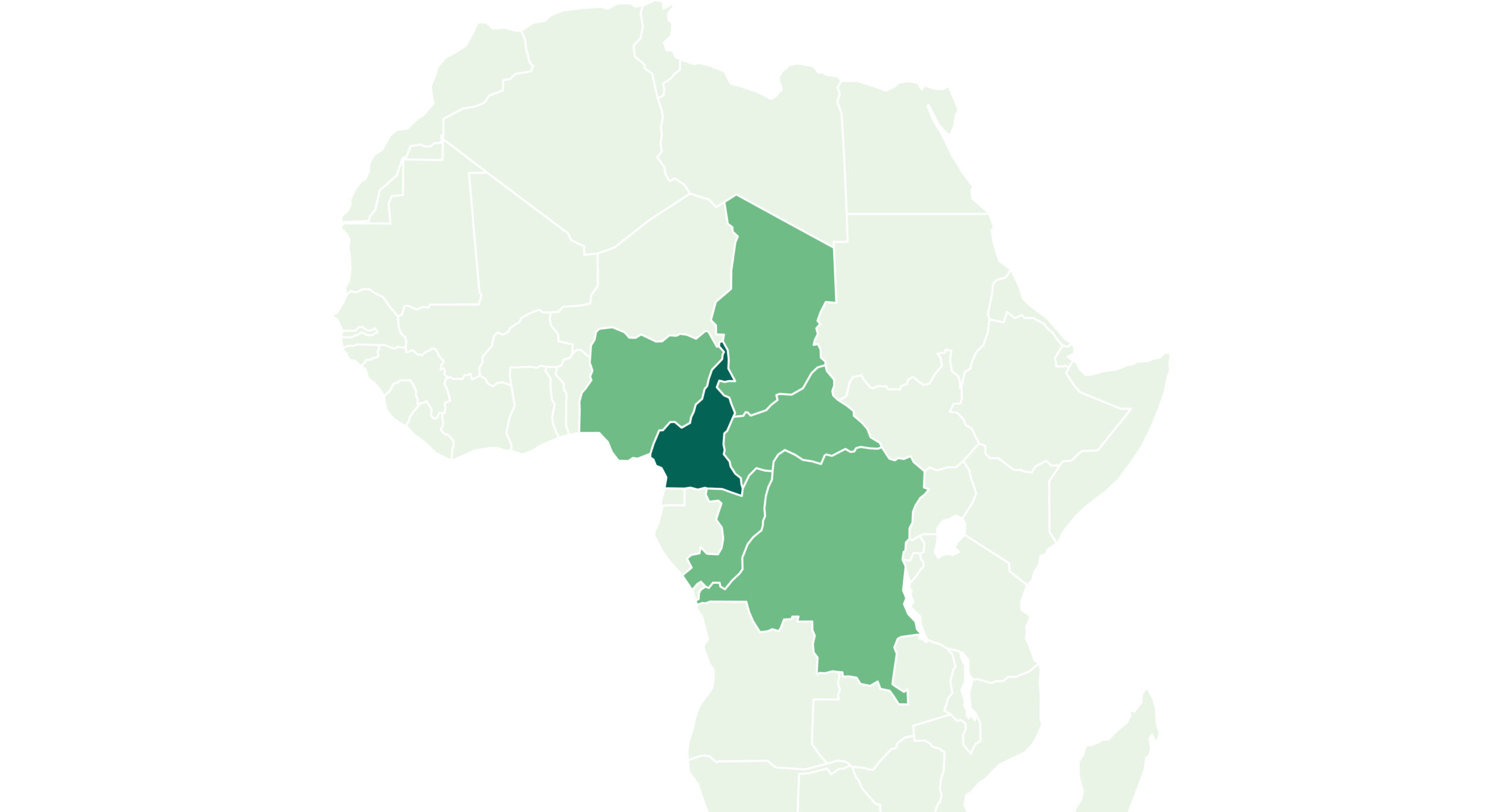
In Cameroon, AIWO-CAN works through local focal points across the Adamawa, East, West, South, Southwest, Northwest, and Far North Regions.
At the Central African sub-regional level, AIWO-CAN collaborates with Indigenous organisations in Chad, the Central African Republic, the Democratic Republic of Congo, Nigeria, and the Republic of Congo.