Pillar 2 — Land and Natural Resources
- In general, Indigenous peoples’ customary lands, territories, and natural resources are not officially recognized by states. Where collective customary rights do exist, women’s rights to land are further limited by patriarchal systems, their exclusion from decision-making, the complexity of land tenure procedures, and the prohibitive cost of legal recourse. These intersecting barriers make land dispossession a specific threat for Indigenous women.
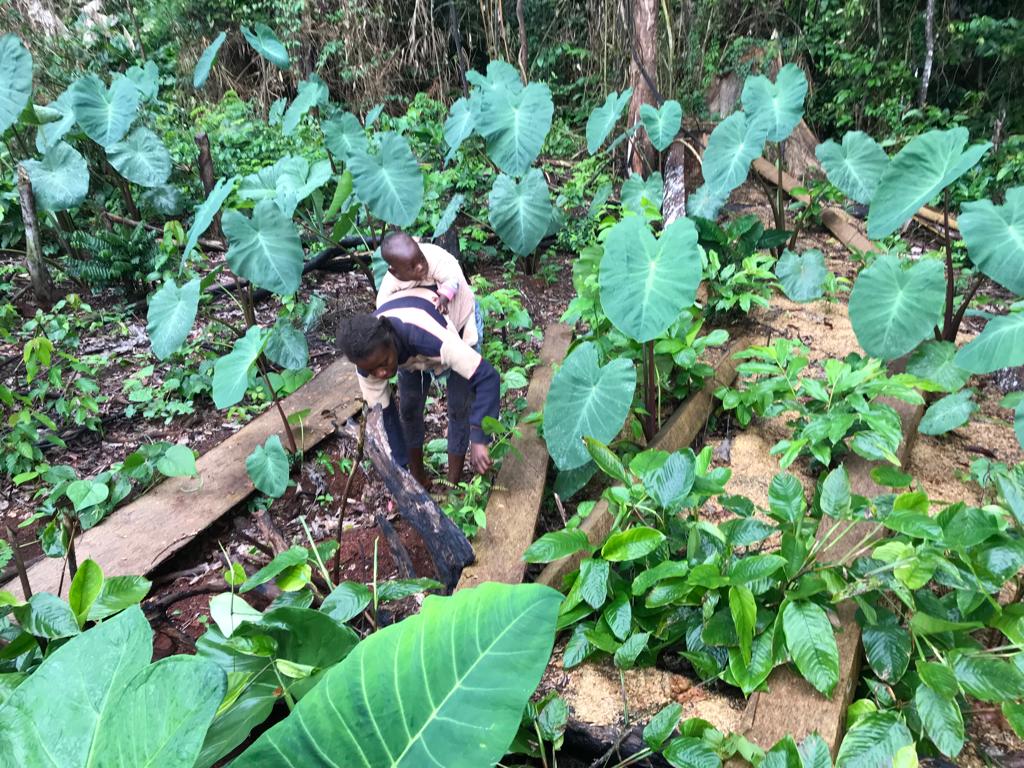
- AIWO-CAN advocates for the recognition and protection of Indigenous women’s rights to land and natural resources through land use support, planting of native trees, pasture improvement, fencing, and valorization of Indigenous land-related knowledge. Improving and occupying land makes it harder for communities to be displaced without negotiation — making land security both an economic and a rights-based strategy.